
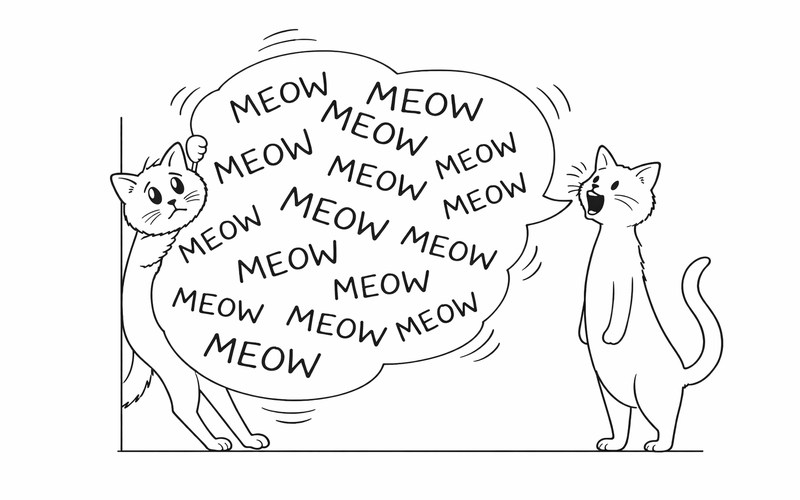
Many of us grew up hearing some version of “Think before you speak.” It’s good advice, though not always easy to follow. Blurting happens -and more often than not, it doesn’t help.
The holiday season just whizzed by. Whether you were celebrating, hibernating, or just hiding in the washroom with your phone, odds are you landed in at least one conversation that that made you reflect on how well you were really listening.
With 2025 still fresh in my memory, I have been thinking about goals to kick off 2026. I’m not calling them resolutions. Resolutions are like that gym membership I bought in January and "forgot about” by mid-February. Goals feel more manageable. Plus, I love a challenge.
There were times that I really, really had to try to listen last year. Like, actually try, in my personal interactions.
With clients, listening comes naturally. I’m focused, engaged, asking questions, and staying present. With the people closest to me, though, that same level of attention doesn’t always follow. There were times when I could have been replaced by a life-sized cardboard cutout of myself holding a sign that says, “Uh huh, totally, same.” Worse still, I could sometimes become an eight-year-old on a roll about their favorite video game and streaming show and accompanying merchandise. My roll is to wax nostalgic, getting lost in my own experience.
I suspect I am not alone in this. How many of you have ever finished a conversation with a colleague or loved one and realized you don’t recall much of what they said? Same. This is often a sign we were talking more than listening.
When I’m stuck in a “conversation” (read: monologue) with a non-stop talker, I leave feeling more like an audience than a participant. And trust me, nobody wants that. I certainly do not want to leave my friends and family feeling that way. So, it is time to take on the challenge.
The Bad Listener’s Boot Camp
The fix is simpler than we like to admit: genuinely focus on what the other person is saying.
- Start as the Listener, not the Speaker.
- In social settings, ask a question and stay with the answer without redirecting the conversation back to yourself. Bonus points if you manage not to interrupt with, “That reminds me of the time I…”
- At work, pause before offering solutions and get curious about what your colleague really needs. It’s wild what you learn when you’re not just waiting for your turn to talk.
I find it helpful to speak at natural pauses, and even then, channel child-like curiosity. Ask an active listening question, not a “let me tell you about my cat” tangent (so guilty). If you have something to add, build on their point, instead of hijacking the conversation. Keep contributions short, then hand the floor back.
Think of listening like navigating through a busy city. You might be able to drive the route without much thought, but that doesn’t mean you should run on autopilot. We rarely mean to cut people off, on the road or in conversation. When we drive with focus and care, we keep everyone safe; when we listen with intention and genuine curiosity, we nurture and strengthen our connections.
And this is where self-awareness is critical. When I think back to the times I had difficulty listening before speaking, I was usually hungry, angry, tired or feeling overwhelmed. These are not good conditions for driving, and they’re not ideal for listening either.
Why Listening Matters
- Understanding: Actually get what people are saying, not just what you think they are saying. Most people aren’t speaking just to fill the air with noise.
- Respect: Nothing says “I value you” like not scrolling your phone while nodding absently. Relationships, whether with your bestie or your boss, are built on this foundation. Being fully present signals that we value the person and the conversation.
- Better Responses: When we listen first, our responses tend to be more thoughtful and relevant.
Pro-Level Listening Tips
- Be Present: Minimize distractions. Focus on their words, tone, and whatever that wild hand gesture means.
- Ask Questions: If you’re confused, just ask. Clarifying is way less awkward than pretending you followed along.
- Pause Before Responding: Give yourself a moment to process before jumping in.
- Use Non-Verbal Cues: Eye contact, nodding, and simple acknowledgements signal attention and engagement.
What’s In It for You?
- Less Conflict: Understanding people means you’ll be less likely to throw conversational gasoline on a smouldering disagreement.
- More Collaboration: People are more willing to work with those who genuinely listen.
- Greater Empathy: Instead of assuming you’ve got everyone pegged, you might actually see what makes them tick (or ticked off).
So, in the sage words of every parent, teacher, and wise barista: Think before you speak. And, more importantly, really listen before you decide you’ve got it all figured out.
If you want to learn more about developing listening skills, have a look at our Listening To Understand workshop at ResolutionGroup.ca.
About Rachel
I have been teaching people to manage assumptions and build communication skills for over 25 years. I absolutely love being part of the transformations that happen for them and their relationships.