
Our basement flooded three times this summer and, yes, I have sobbed almost every swear word I know. I may have even created some new ones.
As we took apart our basement (literally - cabinets came down as well as everything in and around them), my son packed up a box of children’s books that we had kept for sentimental reasons.
The first book that caught my eye was Strega Nona by Tomie dePaola, a classic children's picture book about a wise Italian "Grandma Witch" and her magic pasta pot. When her helper, Big Anthony, uses the pot without knowing how to make it stop, the overflowing pasta nearly floods the village until Strega Nona returns to fix it. I remember countless nights reading that book to my kids and them noticing something new each time we read it. The older they got, the different meanings they took from the book.
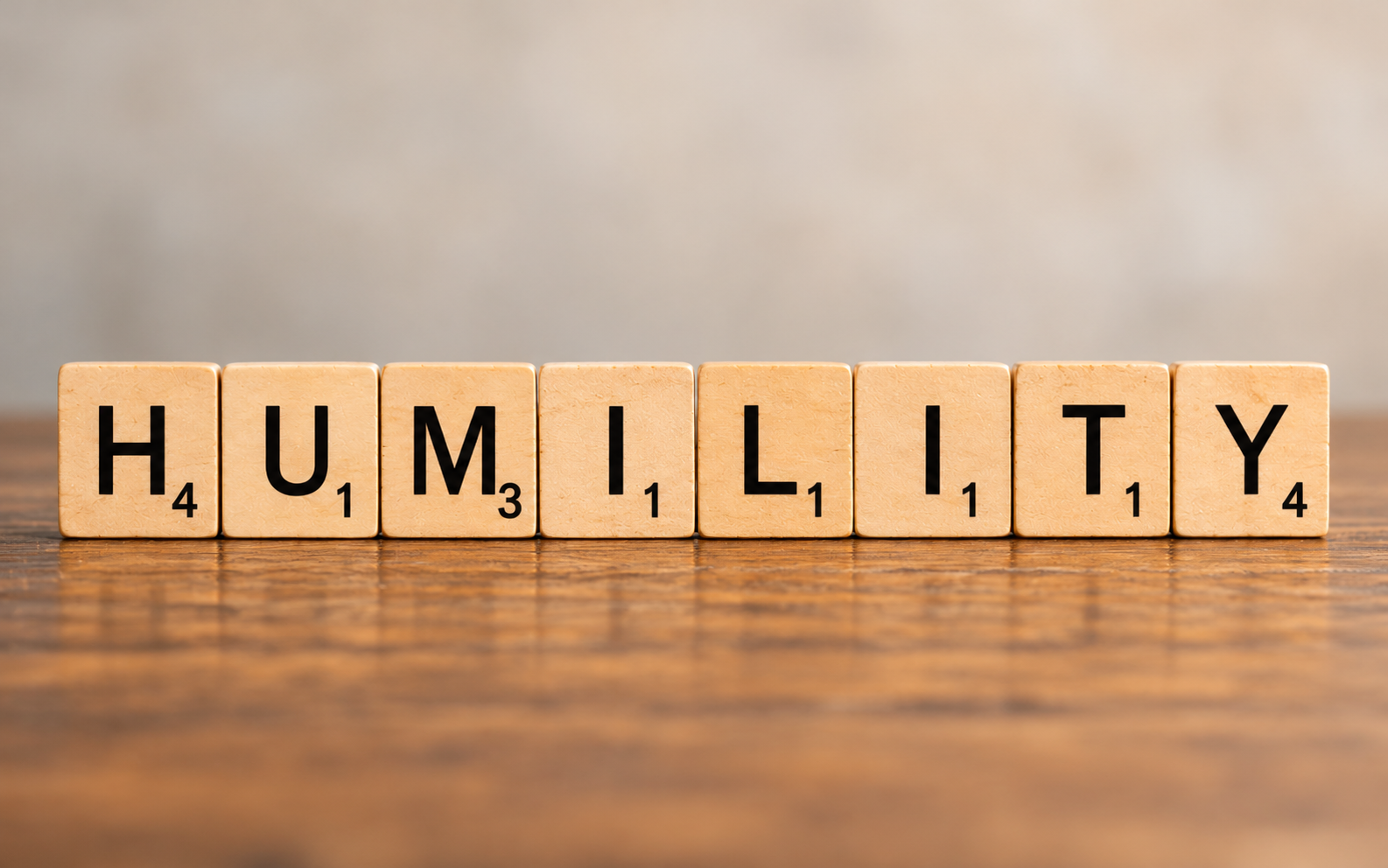
I enjoyed how the importance of humility was highlighted throughout the book with such beautifully subtle humour. It reflected the pitfalls of arrogance and, at the same time, how we have a lifetime of mistakes from which we can learn new ideas, skills, concepts, approaches (the list is endless).
Humility is one of those things that can lower our defences enough to see opportunities for learning. I wish this was always graceful, but in my experience, it usually arrives after I have been humbled by something ordinary and unwanted. This could be a conversation I wish I had handled better, or a moment when I realize I have been so busy being right that I have stopped being curious.
When it comes to communication, humility is a strength. It is the willingness to listen before defending, to ask before assuming, and to notice that the story I am telling myself may not be the whole story. I have needed this reminder many times (and will probably need it for the rest of my days). Effective communication often begins when we can admit, even quietly, “I might be missing something.” That combination of self-reflection and curiosity can make all the difference. With it, we can shift from a ‘me versus you’ mindset to an ‘us versus the problem’ approach. We can make room for another person’s experience without needing to abandon our own.
Resolving conflict asks the same thing of us, though I find sometimes it asks at the most inconvenient times, when we are tired, embarrassed, defensive, or already rehearsing our best argument. Most conflicts escalate when people become more invested in being right than in being understood. Humility helps us pause long enough to separate the person from the problem. It can sound like, “Help me understand what happened for you,” or “Here is what I heard. Did I get that right?” While these may seem like simple questions, they can be surprisingly efficient at getting to the root of the problem. They tell the other person, “I am still here. I still want to understand.”
In everyday life, humility can make us better listeners and better question-askers. This then makes us better repairers when conversations go sideways. It gives us a way back to each other and to finding mutually satisfying solutions after the awkward silence, the sharp tone, the misunderstood text, or the conversation that sounded much better in our heads than it did out loud.
The beautiful (and inconvenient) truth is that communication and ways to resolve conflict are learned skills. Some people may seem naturally gifted at staying calm, naming or reflecting emotions, or finding common ground, but most of us develop those capacities slowly. We learn them in kitchens, classrooms, offices, family gatherings, and all the ordinary places where we bump up against one another. We learn by stumbling through hard conversations, apologizing when our words land badly, trying again, and paying attention to what helps connection rather than what helps us win.
Humility gives us the courage to practice. It lets parents learn from children (oh, the countless things I have learned), leaders learn from team members, partners learn from one another, and communities learn from the very tensions that threaten to divide them. I think that is one of its quiet and powerful gifts - humility keeps the door open. It does not mean we never speak with conviction. It means we balance our convictions with openness.
Maybe that is why seeing our kids’ well-worn book pulled from a flooded basement felt so timely. In the middle of mess, loss, irritation, and unexpected work, there was this old familiar story reminding me that humility offers me the opportunity to learn (yes, universe, I know - patience). And if we are willing to keep learning how to listen, how to repair, how to resolve conflict with care, then even our messiest moments can become places where something wiser begins to grow.
About Rachel
I have been teaching people to manage assumptions and build communication skills for over 25 years. I absolutely love being part of the transformations that happen for them and their relationships.